The trust infrastructure the industry needs for agentic AI isn't theoretical.
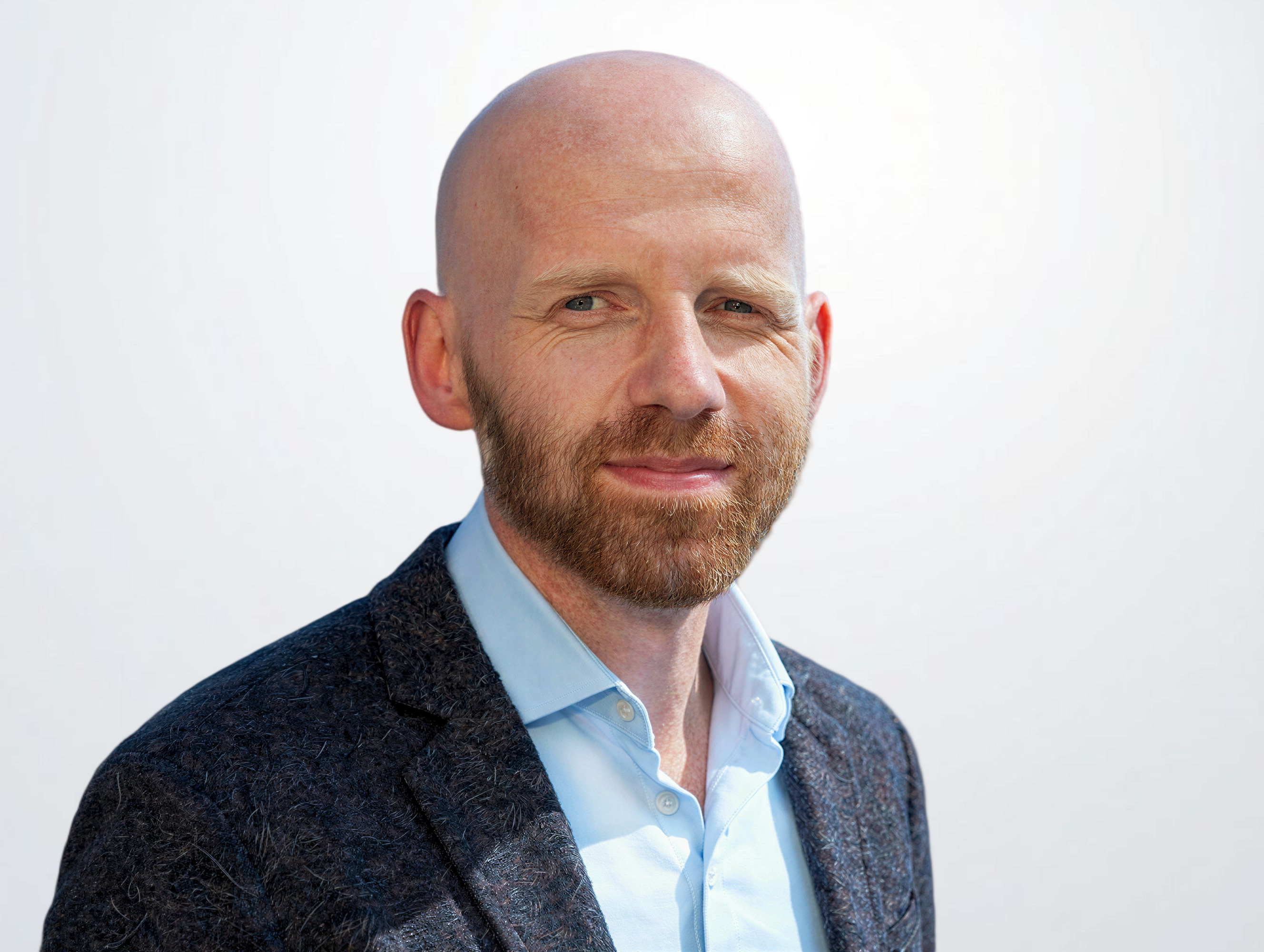
Shane Deconinck
Practitioner. Builder. trustedagentic.ai.
At Howest Cyber3Lab, I built implementations of EBSI, EUDI, and SSI: the European trust infrastructure for decentralized identity, verifiable credentials, and cross-border authentication. That work is now directly load-bearing for agent deployment. The protocols agents need to prove identity, delegate authority, and establish trust across organisational boundaries are the same ones I helped put into production.
I co-founded the LF Decentralized Trust European Chapter and took over the Belgium chapter after Covid, rebuilding it into an active community now sitting at the intersection of decentralized trust and agentic AI. In 2025, the Linux Foundation recognised that work with the LFDT Community Award.
I've spoken at the EU Parliament on AI governance, at Linux Foundation summits, and across the identity and trust community. The consistent thread: the gap between what agents can do and what organisations can safely let them do is an infrastructure problem, not a policy problem.
- Built EBSI, EUDI, and SSI implementations at Howest Cyber3Lab
- 2025 LF Decentralized Trust Community Award
- Co-founder, LFDT European Chapter
- Rebuilt and leads the LFDT Belgium chapter
- EU Parliament speaker on AI governance
- Speaker at Linux Foundation summits
What was built, and why it matters now
I build with agentic AI daily and have spent years in trust infrastructure: identity, credentials, delegation, cross-domain authentication. That combination is what it takes to design systems where agents can be unleashed, not just contained.
The PAC Framework came from both sides: building agents and hitting the limits, combined with deep knowledge of the infrastructure that solves them.
I write about this at shanedeconinck.be, where I work through the open questions in public.
Why this exists
Most guidance on agentic AI leans heavily toward one angle: the technology, the regulation, or the strategy. The work here connects all three. Security sees control. Legal sees liability. Engineering sees architecture. Leadership needs the full picture.
The PAC Framework (Potential, Accountability, Control) starts with what's possible, then works through what's needed to get there. The same framework works whether you're talking to your engineers, your legal team, or your board.
Want to work together?
Start with a screening, explore the services, or dig into the framework.